
Working Visit by the Commissioner for Fundamental Rights to Békés County (19-20 May 2014) - AJBH-EN
Asset Publisher
null Working Visit by the Commissioner for Fundamental Rights to Békés County (19-20 May 2014)
Working Visit by the Commissioner for Fundamental Rights to Békés County (19-20 May 2014)
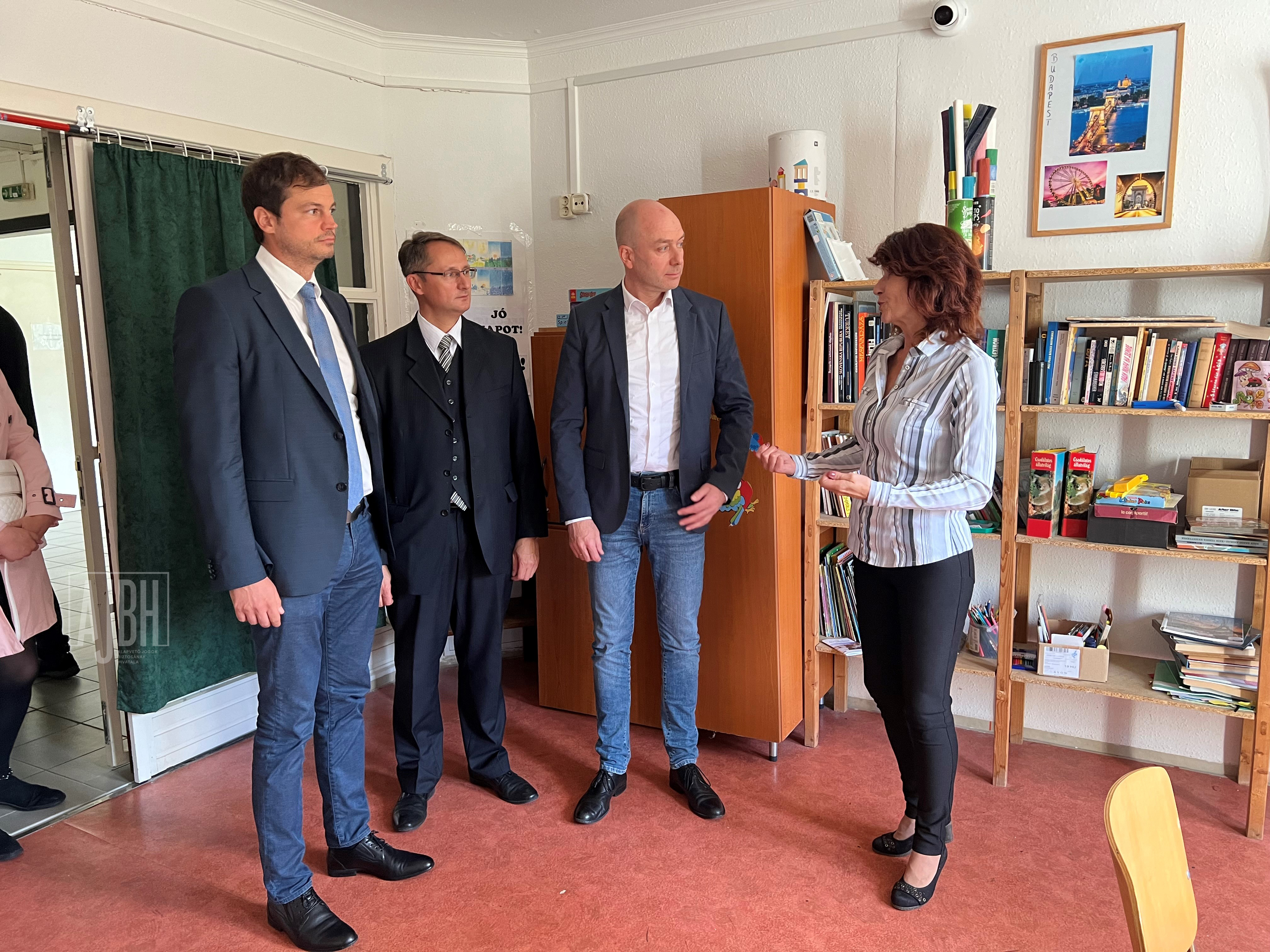
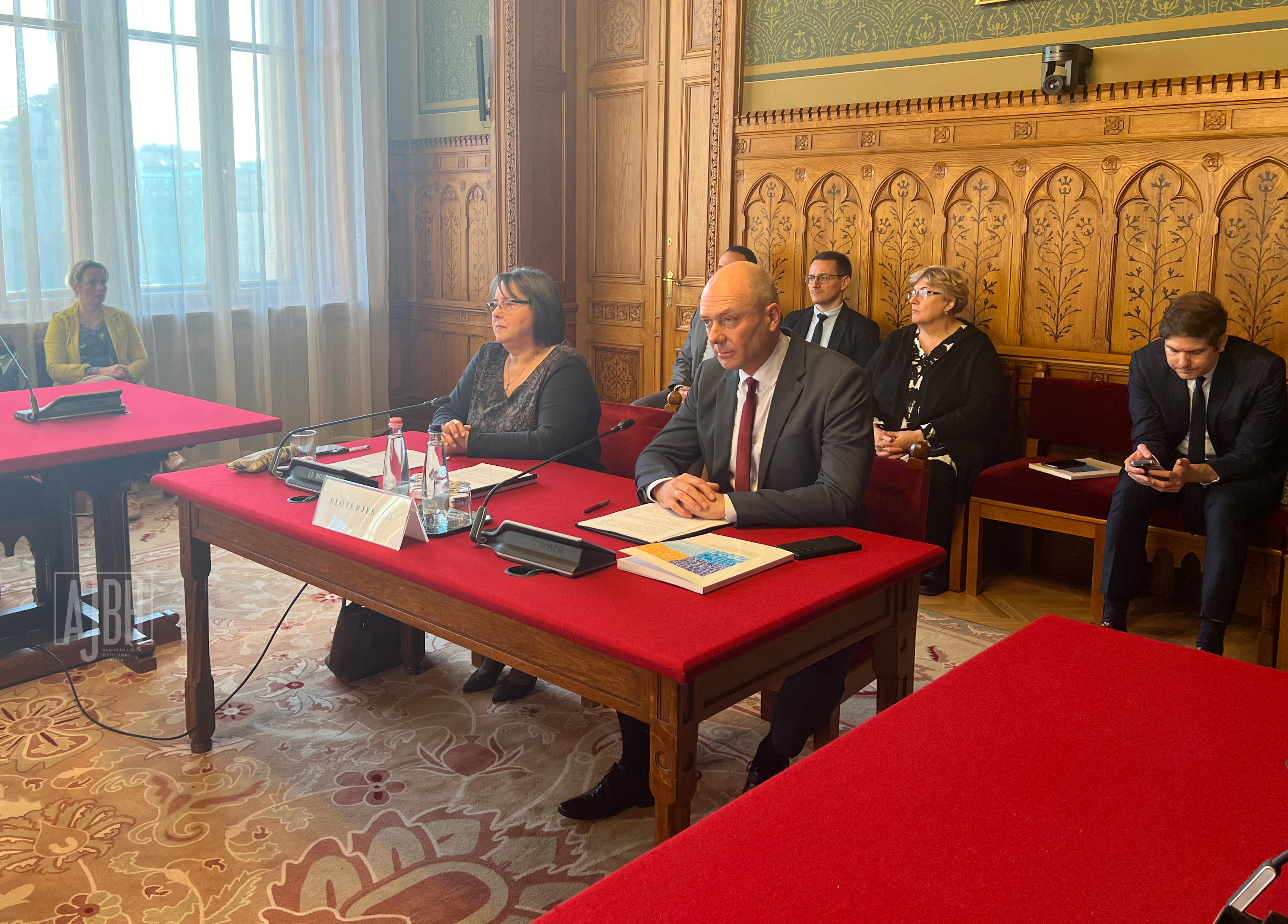
Carrying on with the practices of his predecessors, Dr László Székely, Commissioner for Fundamental Right paid a working visit to Békés County. After meeting personally with complainants in Békéscsaba and Gyula, he held a press conference on his experiences and findings. The Commissioner was accompanied by Deputy Commissioner Dr Elisabeth Sándor‑Szalay, Ombudsman for the Rights of National Minorities, and Deputy Commissioner Dr Marcel Szabó, Ombudsman for Future Generations.
In recent years, the number of complaints lodged by people living in Békés County has been significantly lower than the national average. Békés is the third or fourth "least complaining" county. 133 people in 2013 and 47 people in the first four and a half months of this year submitted grievances in connection with the infringement of their rights. The most part of the complaints dealt with social and livelihood issues, various allowances, provision of disability benefits, dependent child and other allowances, but there were also some complaints filed against public service providers, healthcare institutions and even the police. Experience has shown that not everybody is capable to submit their complaints directly to the Ombudsman's office in the capital city in connection with their un‑remedied grievances caused by the procedures of public service providers. That was why people had been given the opportunity to put their complaints, addressed to the Commissioner, in "complaint boxes" installed in the town halls of the county's major settlements right before the Commissioner's visit. All these complaints are going to be investigated by the Office. In Gyula and Békéscsaba complaint hearings were held for those whose complaints needed further clarification and who wanted to submit their complaints personally.
When summarizing the working visit, László Székely pointed out that personal experience and hands‑on approach are of major importance for both himself and his staff, and that such visits give people an opportunity to learn about the Ombudsman's tasks and competences in protecting their rights. These points were also emphasized by the Commissioner and his two Deputies during the Békés County Notaries' Meeting that launched the visit.
During the visit's preparation, in accordance with the provisions of the statute specifying his tasks and the legal frameworks of his activities, the Commissioner initiated ex officio investigations mainly in those institutions where fundamental rights, in one way or another, might get infringed upon. Inquiries were conducted into, among others, community employment condition, hospital care, and the situation in a social and a penitentiary institution. Preparatory to the visit, the Deputy Commissioner responsible for the interests of future generations, Marcel Szabó learned about the rehabilitation of the Fényes Farmstead near Békéscsaba, and the Deputy responsible for the protection of the interests of nationalities living in Hungary focused her inquiries on the state of national minority education.
Concerning the conditions of community employment during wintertime, the Commissioner called attention to the problem, both local and national, that the successful operation of community employment programs had been hindered by the lack of information and the short time for preparations. In his closing press conference, the Commissioner for Fundamental Rights characterized the outcomes of the visit as positive, albeit tainted with some shortcomings of national dimensions. Although the home for the elderly in Körösladány operates according to the professional standards, the fact that there are some originally four‑bed rooms with five inhabitants runs contrary to the prevailing legal regulations. The problems of the professionally well prepared Pándy Kálmán Hospital in Gyula may be attributed to the lack of resources. The financing of hospital care does not take into account the age composition of the population, and one of the findings of a previous investigation by the ombudsman 11 years ago still has not been resolved: due to financial reasons, the maternity ward and the neonatal intensive care unit of the hospital still operate separately, located two kilometres apart from each other. The County Penitentiary is visibly overcrowded, its occupancy rate, as the Commissioner was informed during his on‑the‑spot inspection, is around 150 percent, which is rather demanding on both the inmates and the staff. The requirement of human dignity is infringed upon by the fact that the toilets in the cells are separated only by curtains. While visiting the Social, Child Protection, Rehabilitation and Methodological Centre of Békés County, László Székely characterized the activities of the local child protection service as noteworthy even on the national scale.
Prior to the visit, Marcel Szabó, deputy Commissioner responsible for the interests of future generations had been informed that the rehabilitation of the Fényes Farmstead, a depository of hazardous printing waste, was delayed as, since 2012, there had been no budget resources allocated to the National Environmental Rehabilitation Program. In the meanwhile, pollution is slowly spreading towards the nearby Élővíz (Living Water) Canal. This was also confirmed by the Deputy Commissioner during his on‑the‑spot inspection. During the closing press conference the Deputy Commissioner explained that there were no EU subsidies available for rehabilitation and the provision of governmental assistance for the rehabilitation works requiring some 180‑200 million Forints was hindered by jurisdictional disputes. Judging by his own personal experience, the Ombudsman for Future Generations highly recognized the gene conservation centre in the Boros László Memorial Park of Póstelek, established in order to preserve the native vegetation of the region.
Elisabeth Sándor‑Szalay had visited Békés County even before this working visit, gathering information on the situation of the nationalities living in the county, focusing on the co‑relation between national minority education and the preservation of national identity. She had paid visits to the Szarvas Campus of the Szent István University and the Slovakian Nationality Primary School, Kindergarten and Student Hostel of Szarvas. During the working visit, László Székely and Elisabeth Sándor‑Szalay met with two deans of the evangelistic church working among national minority communities. Later on, the Deputy Ombudsman also visited the National Self‑Government of the Romanian nationality living in Hungary, and the Romanian Nationality Secondary School in Gyula. During the closing press conference she pointed out that, unfortunately, not all children have a reliable command of their minority mother tongue, which presents new challenges to those working in national minority education.
You may find the detailed reports on the investigations conducted in connection with the working visit to Békés County at www.ajbh.hu
Recommendation
Asset Publisher